
Engine Carbon Cleaning

Common Reasons Cars Fail Inspection in Singapore

A car inspection in Singapore is a big responsibility when it comes to vehicle ownership. If any defects are found, owners are expected to rectify the problems before going back for a re-inspection. Failure to do so will result in penalties. 

One of the best ways to avoid a failed inspection is by ensuring your car is in tip top condition before the checks. This can be done by avoiding common mistakes made by car owners. So what are the common reasons cars fail inspections in Singapore? 

Read More: What Happens if You Skip Car Maintenance in Singapore?

Brakes

Your car’s braking system is one of the most important safety components checked during a vehicle inspection. This includes the brake system and handbrake, which need to be working properly for your car to pass. 

Worn brake pads, damaged brake components or a handbrake that is not holding the vehicle properly can potentially cause problems during an inspection. These issues can also affect your safety on the road. 

That’s why it’s better to have them checked during regular car servicing rather than waiting till your inspection is due.

Tyres

Your tyres are another important part of your car that should not be overlooked. Tyres that are excessively worn, damaged or otherwise not in good condition can cause your vehicle to fail its inspection.

It is a good idea to check your tires regularly for signs of wear and tear. You should also make sure that your wheels are properly aligned. Poor wheel alignment can affect tyre wear and the way your vehicle handles.

Lights

It may seem like a small issue, but faulty vehicle lighting can cause problems during an inspection. Your headlights, brake lights, indicators and other lights need to be in proper working condition. 

A blown bulb is a relatively simple problem to fix, but it is also one that car owners can easily overlook. Take a few minutes to check all your lights before sending your vehicle for inspection.

Steering and Suspension

Your steering and suspension systems play a major role in keeping your car stable and safe on the road. Problems such as worn suspension components or issues with the steering system can therefore become a concern during a vehicle inspection.

If you notice unusual noises, vibrations or changes in the way your car handles, it is worth getting the vehicle checked before your inspection due date. Fixing these problems early can save you from having to return for a vehicle re-inspection.

Modifications

Vehicle modifications can be another reason why cars fail inspection in Singapore. While some modifications are permitted, they still need to comply with the relevant vehicle safety standards and requirements. 

This can include modifications to areas such as the exhaust system, lighting, wheels or other parts of the vehicle. If you are unsure whether a modification is allowed, it is better to check the requirements before your inspection rather than risk failing.

Maintenance

Sometimes, a failed inspection is simply the result of poor vehicle maintenance. Small problems can become bigger issues when they are ignored for too long.

Regular car servicing gives you an opportunity to identify problems with your brakes, tyres, engine, suspension and other components before they become serious. It can also give you peace of mind when your vehicle inspection date comes around.

What Does a Car Inspection in Singapore Check?

Inspection Checklist
Structural Integrity Chassis and structural components, signs of serious damage, corrosion, cracks and other issues that may affect the vehicle's structural safety
Wheel System Tyres, wheels, wheel condition, tyre wear, wheel alignment and other components of the wheel system
Braking System Brake performance, brake components, brake pedal, handbrake and overall braking efficiency
Steering System Steering wheel, steering components, steering response and signs of excessive looseness or defects
Condition of the Vehicle’s Body Body panels, doors, bonnet, boot, mirrors, windscreen and other external vehicle components
Visual and Indication System Headlights, brake lights, indicators, hazard lights, reverse lights, number plate and other required lighting and indication components
Propulsion System Engine and related components, exhaust system, exhaust emissions, fluid leaks and other propulsion-related components

Other components, such as seat belts, tint levels and the vehicle identification number (VIN), may also be checked as part of the inspection process. This means that having a car that starts and drives normally does not necessarily mean it will pass its inspection. 

Some problems may not be noticeable during everyday driving but can still affect your vehicle’s safety or compliance with Singapore’s vehicle inspection requirements.

What Happens if You Fail a Car Inspection in Singapore?

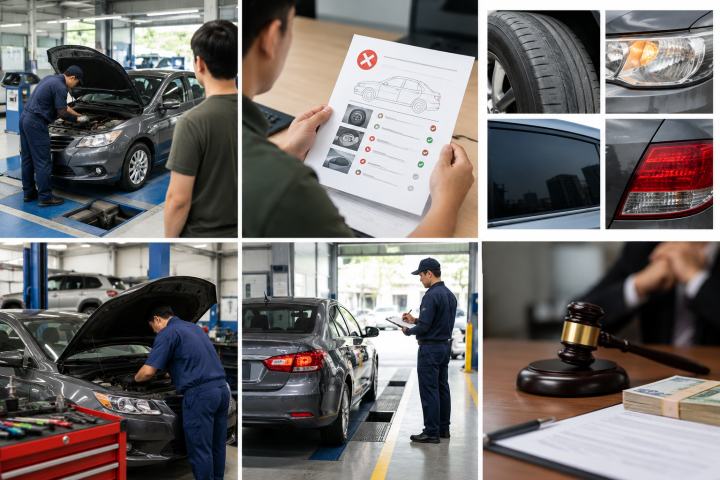
A college of car inspection set
(Image Source: AI Generated)

If your car fails a periodic inspection, you will receive an inspection report detailing the faults that must be rectified before you can renew your road tax. The inspection officers will inform and provide you with the report on the spot. 

The report typically states the rejected items such as worn tyres, faulty lights, illegal tint levels and anything in between. You must then send your car to a workshop or an approved repairer to fix the failed components. 

The next step is to bring your car back for a re-inspection which generally costs half the price of the initial inspection fee (approximately S$34). You cannot renew your vehicle’s road tax until your car successfully passes the inspection. 

In worst case scenarios, you will receive late fines or penalties to complete the inspection within the required time frame. The first fine can carry a penalty of up to S$1,000 or up to three months in prison.

How to Prepare Your Car for Inspection?

  • Check your lights and indicators: Turn on your headlights, brake lights, indicators, hazard lights and reverse lights to make sure they are working properly. Replace any blown bulbs before the inspection.

  • Inspect your tyres: Look for excessive tyre wear, cracks, bulges or other visible damage. Check that your tires are properly inflated and that the wheels do not show obvious signs of damage.

  • Test your brakes: Pay attention to unusual noises, vibrations or changes in braking performance. You should also make sure your handbrake is holding the vehicle properly.

  • Look for fluid leaks: Check underneath your car for signs of oil, coolant or other fluid leaks. While a small leak may not always be obvious, it is better to have anything unusual inspected before your appointment.

  • Remove or check modifications: If your car has aftermarket parts or modifications, make sure they comply with Singapore’s requirements. This is particularly important for modifications involving the exhaust, lighting, wheels or window tint.

The Importance of Regular Car Maintenance

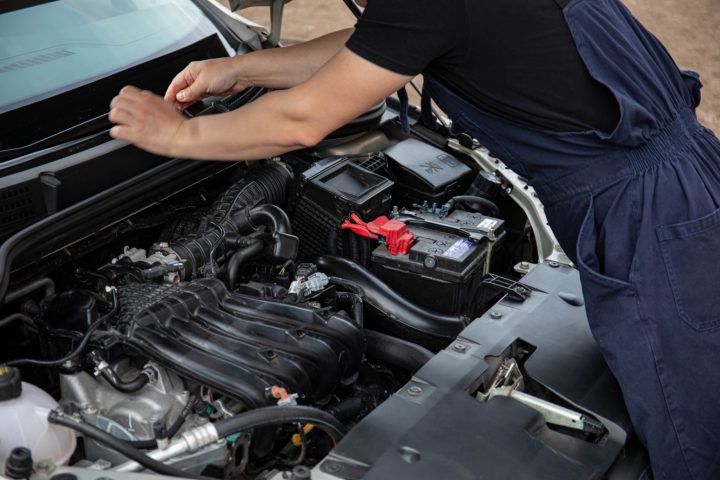
Mechanic opening car bonnet to fix wiper blades
(Image Source: elements.envato.com)

Ultimately, keeping up with your regular car maintenance is one of the best ways to avoid failed inspections. Workshops and mechanics are well equipped to identify potential problems with your vehicle and recommend the necessary repairs.

Looking for car maintenance in Singapore? Visit carbonclean.sg or contact us to find out more!
  • All Posts
  • Car Workshop Tips
Load More

End of Content.