
October 2, 2026/
No Comments
Do Hybrid Cars Need Carbon Cleaning? What Singapore Hybrid Owners Should Know Car Workshop Tips October 2, 2026 Modern cars...
Modern cars have come a long way. The days of carburetors now belong to a bygone era, while technologies like hybrid systems have become increasingly common in modern vehicles.
With fuel prices being a concern for many drivers, it is no surprise that more people are opting for hybrid cars. However, hybrid cars still use combustion engines, which means they can still develop carbon deposits over time.
So, do hybrid cars need carbon cleaning? Not necessarily. Hybrid petrol engines can still develop carbon deposits, but carbon cleaning is not a routine requirement for every hybrid. Factors such as mileage, driving conditions, maintenance history and the condition of the engine should be considered before deciding whether carbon cleaning is appropriate.
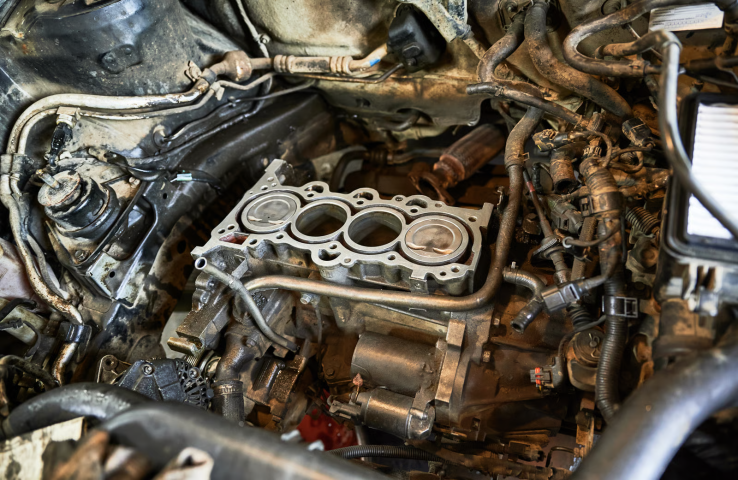
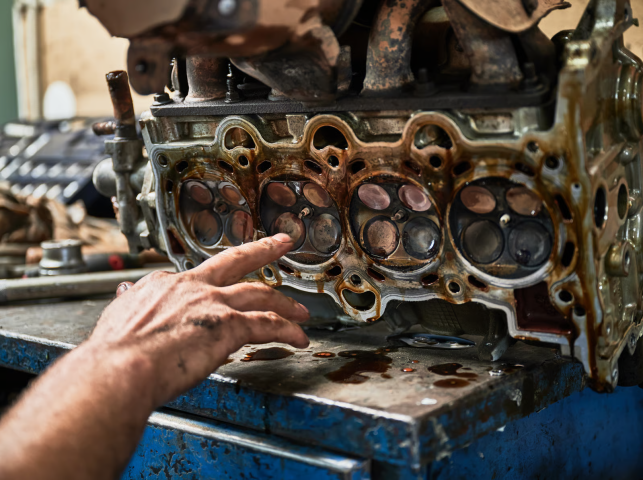
Carbon deposits are a byproduct of combustion. When fuel does not burn completely or other engine processes introduce contaminants into the combustion system, deposits can gradually form on engine components.
Over time, these deposits can accumulate on areas such as the intake system, valves and combustion chamber, depending on the engine design and operating conditions.
Carbon buildup can affect engine performance when it becomes excessive. Depending on the location and severity of the deposits, it may contribute to symptoms such as rough idling, sluggish acceleration and reduced fuel efficiency.
There are several factors that can contribute to carbon deposits building up in a petrol engine.
One factor is frequent stop-and-go driving. This is especially relevant in Singapore, where heavy traffic and short journeys are common. A hybrid’s petrol engine may also start and stop frequently as the vehicle switches between electric and petrol power.
These start/stop cycles do not automatically cause carbon buildup. However, under certain driving conditions, the engine may only run for relatively short periods before switching off again. Frequent cold starts and shorter engine-running periods can contribute to deposit formation over time.
Other factors include:
Carbon deposits do not always produce noticeable symptoms. However, excessive deposits can sometimes contribute to changes in how the engine performs.
Some possible warning signs include:
There are several ways to reduce the conditions that can contribute to carbon deposit formation.
It is also important not to assume that driving at high RPM will automatically remove carbon deposits. Hybrid vehicles are designed to manage when the petrol engine operates, so owners should follow the manufacturer’s recommendations instead.
Not every hybrid car needs carbon cleaning.
For newer hybrids that are running normally and have been properly maintained, following the manufacturer’s maintenance schedule should remain the priority. If you’re looking for general hybrid car servicing in Singapore, Carbon Clean also offers a hybrid car service covering areas such as hybrid system diagnostics and drivetrain servicing.
However, carbon cleaning may be more relevant for older or high-mileage hybrids, particularly those that have spent significant time in heavy traffic or frequently make short journeys.
Hybrid vehicles can have different engine operating patterns compared with conventional petrol cars. The petrol engine may start and stop frequently and only run for relatively short periods depending on driving conditions. While this does not automatically cause carbon buildup, it can be one contributing factor.
If your hybrid develops symptoms such as rough idling, sluggish acceleration, slower throttle response or reduced fuel efficiency, an inspection can help determine whether carbon deposits could be contributing to the problem.
Most importantly, carbon cleaning is a maintenance service, not a guaranteed fix for fuel consumption or engine problems. Similar symptoms can be caused by worn spark plugs, dirty fuel injectors, faulty sensors, filters, tyre pressure or other mechanical and electrical issues.
Motoserv’s Carbon Clean Hybrid package combines HHO Carbon Cleaning with Cataclean Fuel System Treatment and a hybrid-optimised cleaning protocol.
HHO Carbon Cleaning introduces a hydrogen-oxygen mixture into the engine’s intake system as part of the cleaning process, while Cataclean is a fuel-system and exhaust-system cleaning product used according to its manufacturer’s instructions.
These methods are used as part of the workshop’s approach to reducing carbon and other deposits. However, HHO Carbon Cleaning should not be described as a “deep clean” or as a process that completely removes every deposit from an engine.
The effectiveness of carbon cleaning can also depend on the vehicle’s condition, the amount and location of deposits, and whether another mechanical issue is contributing to the symptoms.
For hybrid owners looking for a dedicated carbon cleaning service, the Carbon Clean Hybrid package is $138 nett.
The package includes:
The package is designed specifically for hybrid vehicles, with the cleaning process intended to be compatible with hybrid battery systems.

As with any carbon cleaning service, the package should be viewed as a maintenance option rather than a guaranteed solution for poor fuel economy or engine problems. If your hybrid is experiencing symptoms, a diagnostic check can help identify whether carbon deposits are actually contributing to the issue.
Carbon cleaning should not replace regular hybrid car maintenance.
Routine maintenance such as engine oil changes, filter replacement, spark plug checks and cooling system inspections remains important for keeping the petrol engine and hybrid powertrain operating properly.
If your vehicle is due for general maintenance rather than specifically carbon cleaning, you can also explore Carbon Clean’s car service and repair package.
For those considering a used, high-mileage hybrid, a pre-purchase inspection can also help identify potential mechanical or electrical issues before buying the vehicle.
Not necessarily. Hybrid cars with petrol engines can develop carbon deposits, but not every hybrid requires carbon cleaning. Mileage, driving conditions, maintenance history and engine condition should all be considered.
Not directly. Hybrid driving can involve frequent engine start/stop cycles and shorter periods of engine operation. Under certain conditions, these operating patterns may contribute to deposit formation, but they are only some of the factors involved.
Carbon cleaning may help if carbon deposits are contributing to an engine-related issue, but it is not a guaranteed way to improve fuel consumption. Poor fuel economy can have many other causes, including tyre pressure, driving conditions, filters, spark plugs, sensors and mechanical problems.
Not necessarily. A high-mileage hybrid may be a more relevant candidate for inspection because its petrol engine has accumulated more operating time. However, mileage alone does not mean carbon cleaning is necessary.
There is no universal carbon cleaning interval for every hybrid. Owners should consider the manufacturer’s maintenance recommendations, vehicle condition and any symptoms that could indicate deposit-related issues.
Motoserv’s Carbon Clean Hybrid package is $138 nett. Contact us to confirm the current service details and whether the package is suitable for your vehicle.
Hybrid vehicles are designed to make efficient use of their electric motor and petrol engine, but the combustion engine still requires proper maintenance.
While a hybrid system can reduce how often the petrol engine operates, it does not eliminate the possibility of carbon deposits. Frequent engine start/stop cycles, shorter engine-running periods and certain driving conditions may contribute to deposit formation over time.
If your hybrid is showing signs such as rough idling, sluggish acceleration or reduced efficiency, have the vehicle inspected before assuming carbon buildup is the cause.
For drivers looking for hybrid car carbon cleaning in Singapore, Motoserv’s Carbon Clean Hybrid service is one maintenance option to consider based on the condition of the vehicle.
Do Hybrid Cars Need Carbon Cleaning? What Singapore Hybrid Owners Should Know Car Workshop Tips October 2, 2026 Modern cars...
Workshop vs DIY Engine Oil Change in Singapore: Which Is Better Car Workshop Tips September 17, 2026 Is it possible...
Signs Your Engine Oil Needs Changing Car Workshop Tips September 8, 2026 When owning a car, it comes with a...
WhatsApp us