Last updated: 24 November 2026
Quick answer: To drive a hybrid for the best fuel economy in Singapore, accelerate gently so the car can stay in EV mode longer, look ahead and coast early, brake softly so regenerative braking recovers more energy, and keep speeds steady. A well-maintained engine with little carbon buildup also helps the petrol side burn fuel efficiently.
Many owners buy a hybrid for its fuel savings, then find their real-world numbers are lower than expected. Very often the difference comes down to how the car is driven. Learning how to drive a hybrid for the best fuel economy is mostly about working with the hybrid system instead of against it. This guide focuses on driving technique: EV mode, throttle control and regenerative braking. For wider tips such as tyres, aircon and weight, see our earlier article on hybrid car fuel saving tips for Singapore drivers.
How does a hybrid save fuel in the first place?
A hybrid saves fuel by letting the electric motor handle low-speed driving and by recovering energy when you slow down. The petrol engine switches off when it isn’t needed, such as at traffic lights or when crawling in a jam, and the motor helps it during acceleration so the engine works less hard.
Your driving style decides how much energy goes back into the hybrid battery, and how often the petrol engine has to work.
How do I keep my hybrid in EV mode for longer?
Press the accelerator gently and progressively, especially when moving off. A heavy right foot tells the system you want power, so it starts the petrol engine. A light, steady press lets the electric motor do the work for longer.
- Watch the hybrid system indicator. Many hybrids (for example Toyota models) show a power meter with Charge, Eco and Power zones. Staying in the Eco zone keeps the engine’s work efficient.
- Use the EV mode button wisely. Where fitted, it is meant for short, low-speed driving such as car parks and HDB estates. It typically cancels at higher speeds or when the hybrid battery charge is low; check your owner’s manual for your model’s limits.
How does regenerative braking help fuel economy?
Regenerative braking turns the car’s momentum back into electricity when you lift off or brake lightly, and that stored energy later powers the motor instead of burning petrol. Soft, early braking recovers more energy; hard, late braking relies more on the friction brakes, and that energy is lost as heat.
In practice: look further ahead, lift off early when the light turns red, and brake gradually. On long downhill stretches such as multi-storey car park ramps, some hybrids offer a “B” mode that adds engine braking; follow your manual on when to use it.
Hybrid fuel economy driving checklist
| Habit | Why it helps | Easy Singapore example |
|---|---|---|
| Gentle take-off | Keeps the car in EV mode longer | Moving off from a junction in a housing estate |
| Look ahead and coast | Engine can switch off while gliding | Seeing a red light 200 m ahead on a main road |
| Brake early and softly | More energy recovered by regenerative braking | Slowing for traffic on the PIE or CTE |
| Steady expressway speed | Less hard acceleration and wasted energy | Using cruise control on a clear stretch |
| Avoid rapid stop-go in jams | Lets the motor handle crawling traffic | Leaving a gap and creeping forward smoothly |
| Combine short trips | Engine runs warm instead of many cold starts | Doing errands in one drive instead of three |
| Keep the engine clean | Petrol engine burns fuel more efficiently | An engine carbon clean once a year |
Why does carbon buildup affect hybrid fuel economy?
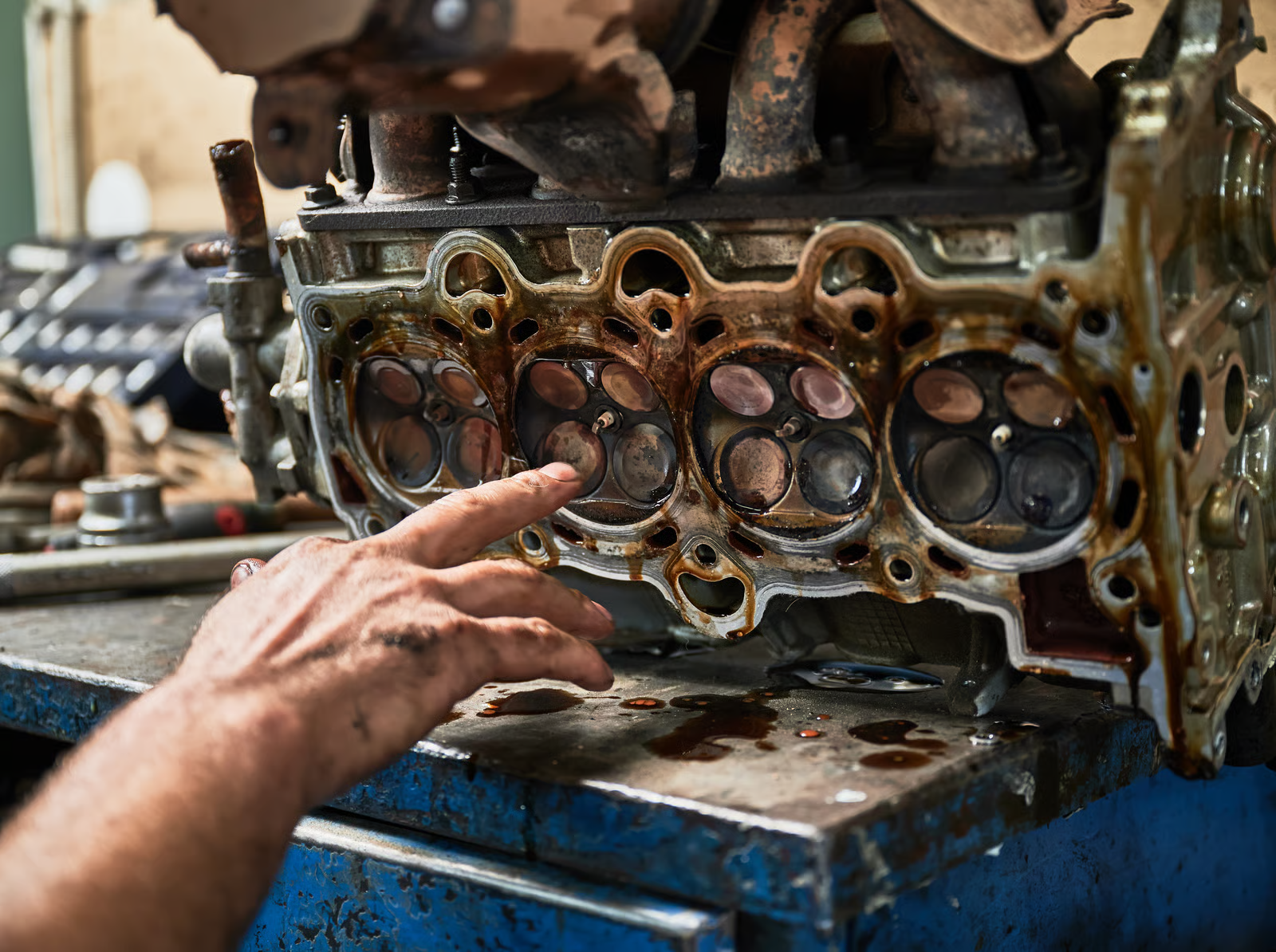
Even the best driving can’t fully offset an engine that isn’t burning fuel cleanly. A hybrid’s petrol engine often starts and stops many times on short runs, and frequent cold starts and short running periods can contribute to carbon deposits on the valves, injectors and combustion chamber over time.
When deposits build up, the engine may need more fuel to do the same work, and you may feel rough running or hesitation when the engine kicks in. That said, higher fuel use can also come from tyre pressure, aircon load, extra weight, sensors or a hybrid system issue, so we always scan first rather than assume carbon is the cause.
When to get your hybrid checked
- Fuel consumption has worsened noticeably even though your driving and routes haven’t changed.
- The petrol engine shakes, hesitates or feels rough when it starts up.
- Pickup feels sluggish, or the engine seems to run more often than before.
- It has been more than a year since the last engine carbon clean, or the car has high mileage.
- A warning light appears on the dashboard (get this checked promptly).
Not sure? Try our symptom checker first.
How CarbonClean.sg helps
Our CarbonClean PRO Hybrid package ($138 nett) uses a hybrid-optimised HHO hydrogen carbon cleaning protocol that is safe for hybrid battery systems. Hydrogen-oxygen gas is fed through the air intake while the engine runs, helping break down carbon on valves, pistons and combustion chambers with no engine parts removed. Every package starts with a diagnostic scan and includes a Cataclean fuel system treatment. Learn more on our hybrid carbon cleaning page, compare all carbon cleaning packages, or see how carbon cleaning works.
We recommend an engine carbon clean once a year. In between, many owners use Cataclean from cataclean.com.sg (there’s a Hybrid version) as an at-home fuel and exhaust system treatment. It is not a replacement for a professional clean if symptoms are already present.
CarbonClean.sg focuses on carbon cleaning only. For hybrid servicing and hybrid battery care, our parent brand Motoserv can help: see Motoserv hybrid car service. Results vary with each car’s condition.
Outlets and opening hours
- 49 Serangoon Garden Way, Singapore 555944
- 28 Bukit Batok East Ave 6, Singapore
- 553 Upper Thomson Road, Singapore 574416
Monday to Saturday, 9am to 6pm (closed Sunday). By appointment. See all locations.
Key takeaways
- Gentle acceleration keeps a hybrid in EV mode longer.
- Look ahead, coast early and brake softly to recover more energy through regenerative braking.
- Steady speeds and fewer short, separate trips help the petrol engine run efficiently.
- Carbon buildup can quietly raise fuel use; we recommend a carbon clean once a year, with Cataclean at home in between.
- Hybrid servicing and battery care are handled by Motoserv.
FAQs
What is the best way to drive a hybrid for fuel economy?
Drive smoothly: accelerate gently, look ahead, coast when you can and brake early and softly. This keeps the hybrid in EV mode longer and lets regenerative braking recharge the battery, so the petrol engine runs less often.
Does using the EV mode button save fuel?
It can help for short, low-speed driving such as in car parks, because the petrol engine stays off. EV mode usually cancels at higher speeds or when the hybrid battery is low, so it isn’t meant for long distances. Check your owner’s manual for your model’s limits.
Is it better to brake hard or soft in a hybrid?
Soft and early is better. Gentle braking lets the regenerative system recover more energy into the hybrid battery. Hard braking relies more on the friction brakes, which waste that energy as heat and wear the pads faster.
Can carbon buildup make a hybrid use more fuel?
Yes, it can be one cause. Carbon deposits on the valves, injectors and combustion chamber may reduce how efficiently the petrol engine burns fuel. Other causes such as tyre pressure or sensor faults are possible too, so CarbonClean.sg scans the engine first.
How often should a hybrid get engine carbon cleaning?
We recommend an engine carbon clean once a year for most cars, including hybrids. Our CarbonClean PRO Hybrid package is $138 nett and uses a hybrid-optimised protocol that is safe for hybrid battery systems.
Ready to get more from every litre? WhatsApp us at +65 6264 3832 to book your hybrid carbon clean. You can also subscribe free to our “Fuel-Saving & Hybrid Car Maintenance Tips” newsletter in the site footer.