Engine Carbon Cleaning

The Dangers of Exhaust Leaking – Why You Shouldn’t Ignore It – Copy

Having an exhaust leak can be exhausting—and we mean that quite literally! While exhaust leaks can damage your car in more ways than one, the fumes emitted can affect you and your passengers too, causing fatigue and nausea among other symptoms.

Depending on the severity of these leaks, it can be hard to identify where the source is coming from. That’s why regular maintenance is so important, especially if you’re not familiar with the “ins and outs” of your vehicle.

With that said, here’s everything you need to know about the dangers of exhaust leaking and why you shouldn’t ignore them:

What Causes Exhaust Leaking?

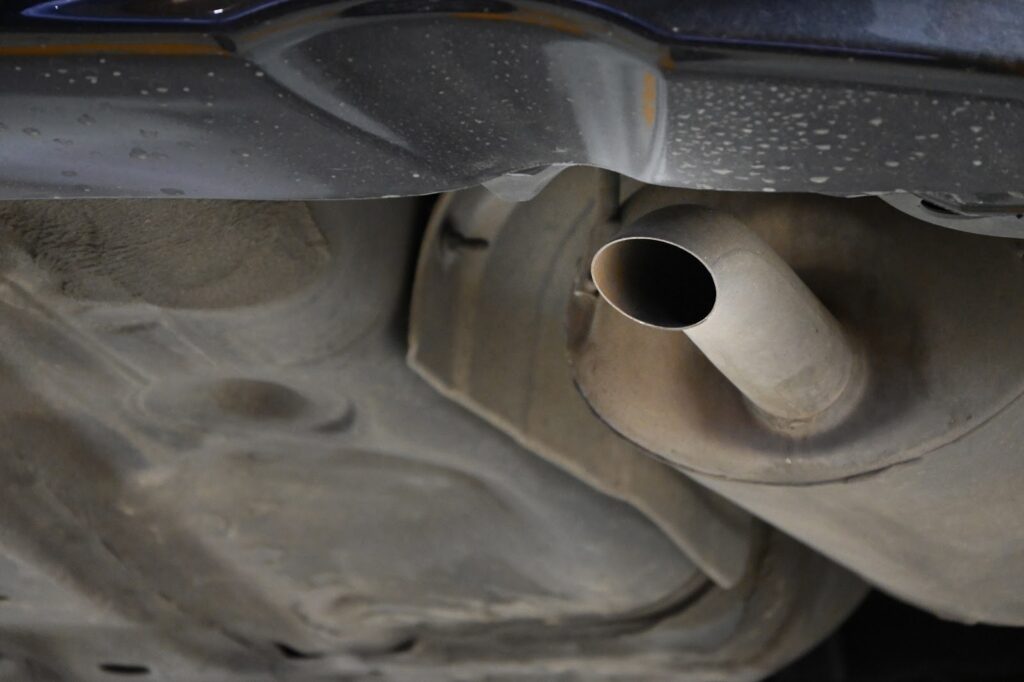
A picture of car exhaust

There are several reasons why your car exhaust system might spring a leak. One common culprit is rust corrosion, especially around the exhaust manifold or flex pipe. This is due to the fact that these parts are constantly exposed to heat and moisture.

Over time, these areas weaken, forming cracks that allow fumes to escape. A damaged gasket or worn-out exhaust flange can also cause leaks, along with broken mounting brackets, loose bolts or a failing muffler.

In some cases, the catalytic converter or resonator may be cracked or misaligned, increasing your risk of a leak. If you’re driving an older vehicle or frequently on bumpy roads, your tailpipe or exhaust pipe might also take a hit, leading to alignment issues and potential leakage.

Symptoms of Exhaust Leaking

  • Rattling Noise: A rattling noise or unusually loud engine noise is one of the main symptoms of exhaust leaking. This usually comes from a loose exhaust pipe or a cracked muffler. These damages amplify the exhaust noise, making your car sound more aggressive than usual.
  • Exhaust Smell: A strong exhaust smell inside the cabin is a serious red flag. This could mean that carbon monoxide or other harmful gases are escaping through a cracked gasket or damaged tailpipe. Prolonged exposure can cause fatigue, dizziness and even more severe health issues over time.
  • Reduce Fuel Efficiency: Is your fuel disappearing faster than usual? An exhaust leak can mess with your oxygen sensor, causing the engine to receive inaccurate air-fuel ratio readings. This results in poor fuel economy and can strain the entire engine diagnostics system.
  • Check Engine Light Triggered: Modern vehicles rely on diagnostic trouble codes (DTCs) and sensors to monitor the car exhaust system. A leak often triggers the check engine light, especially if it’s affecting the catalytic converter or oxygen sensor. Ignoring it might lead to an emissions failure or damage to other engine components.
  • Engine Misfire or Hesitation: A leak near the exhaust manifold can allow oxygen to enter the system. This can confuse your engine’s air-fuel mix, leading to engine misfires. You might also feel jerking during acceleration or a noticeable loss in power.

Why You Shouldn't Ignore Exhaust Leaking

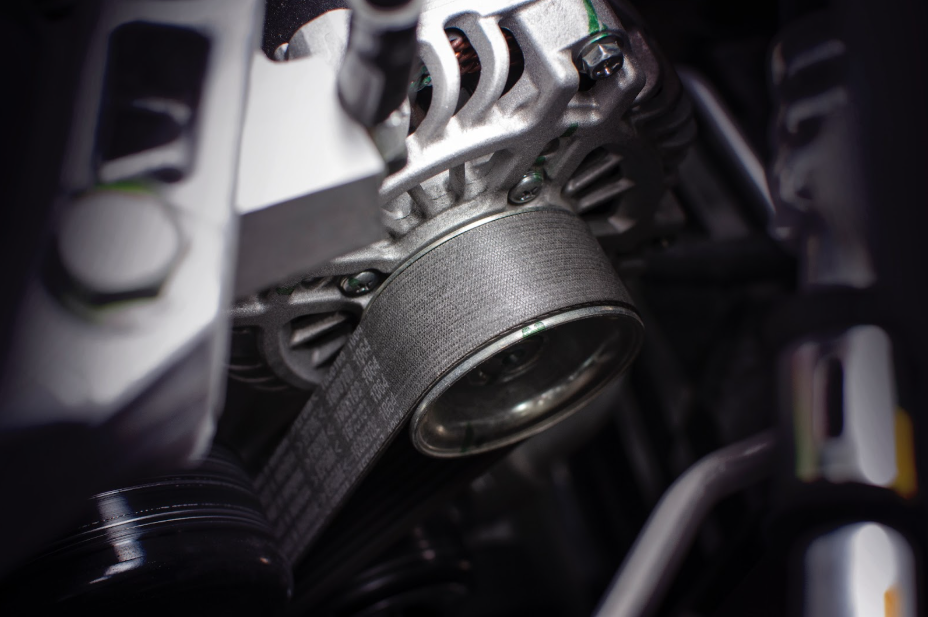
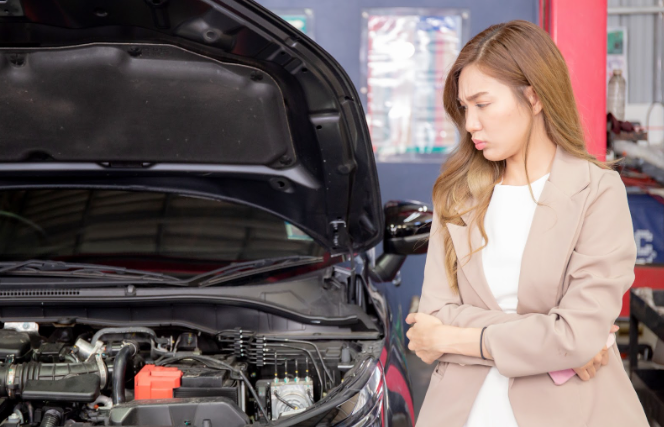
A guy checking his car engine
  • Carbon Monoxide Exposure: Carbon monoxide is colourless, odourless and highly toxic. When there’s a leak, especially near the exhaust manifold or gasket, those fumes can seep into your cabin without you even realising. Extended exposure can lead to fatigue, headaches and nausea—or even unconsciousness in extreme cases.
  • Risk of Engine Damage: Leaks in the exhaust pipe or around the catalytic converter can mess with your engine diagnostics. When the oxygen sensor picks up incorrect readings, the air-fuel ratio gets thrown off. This can cause your engine to run too lean or too rich.
  • Failed Emission Test: Exhaust leaking is practically a guaranteed failure when it comes to vehicle inspection. The escaping gases affect sensor readings and prevent the catalytic converter from doing its job properly. In Singapore, this means your vehicle could fail the mandatory roadworthiness inspection required by LTA.
  • Increased Repair Costs: Not addressing the leaks immediately can lead to more expensive repairs down the road. Instead of a simple patch kit or a quick fix, you might end up needing full-on welding repair or a complete exhaust system replacement.
  • Road Safety and Noise Pollution: A loud, rattling exhaust will turn heads for the wrong reasons. With that said, it can also make it harder to hear surrounding traffic. This is especially dangerous in areas where you need to react quickly. Plus, noises from a faulty muffler can contribute to automotive noise pollution, a major problem in big cities.

How to Prevent Exhaust Leaking

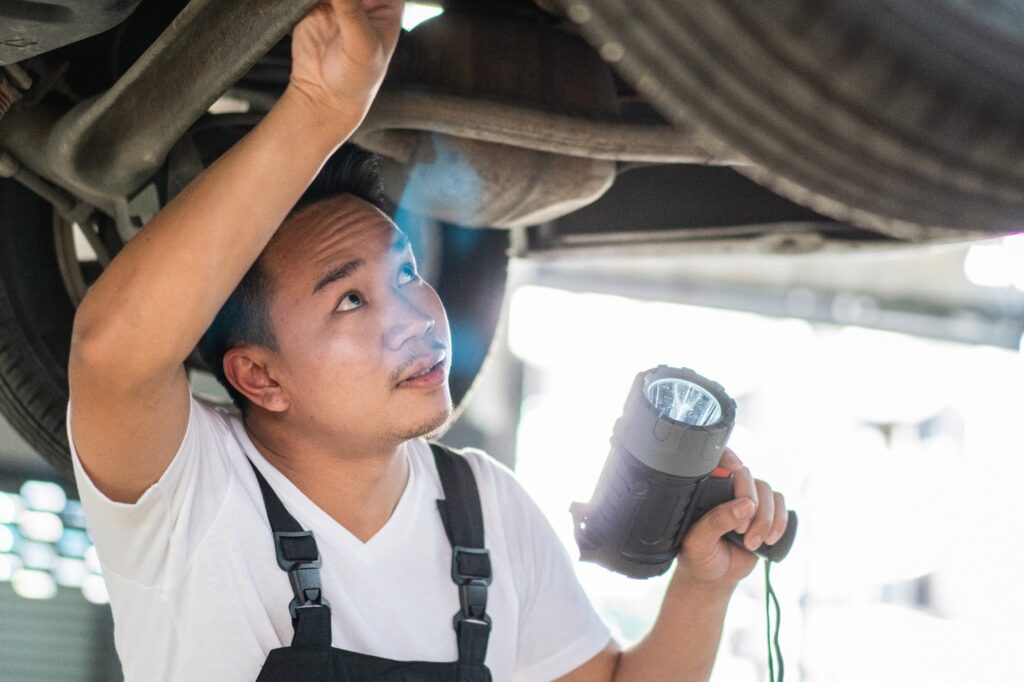
A mechanic checking out a car

The best way to prevent exhaust leaking is by sending your vehicle for regular maintenance. Professionals can ensure everything is in good working condition, addressing issues like exhaust leaks and more. On that note, it’s important to do your part as a responsible car owner as well.

This means driving carefully, especially on bumpy roads or high-traffic areas. Bad road conditions or bad driving habits may cause harm to the system, which happens more often than you think.

You should also avoid short trips, as short journeys don’t allow your exhaust system to reach optimal temperatures. This will lead to excess moisture build-up, which contributes to rust corrosion. Try and get everything done in one go, which requires proper planning on your part.

Lastly, remember to clean the underbody of your car. Sending it for regular washes will minimise the build-up of salt and grime. Nonetheless, this does happen more in colder climates rather than tropical places like Singapore.


The Bottom Line

Exhaust leaking is a common issue that should be addressed immediately. Leaving it unattended can cause a whole range of problems for both your car and the passengers in it. With that said, an exhaust leak can be prevented by being a good car owner and an ethical driver.

Most importantly, don’t forget to send your car for regular maintenance, because preventive care can save you from bigger problems down the road.

Contact us to find out more!

  • All Posts
  • Car Workshop Tips
  • Uncategorized
Load More

End of Content.