September 8, 2026/
No Comments
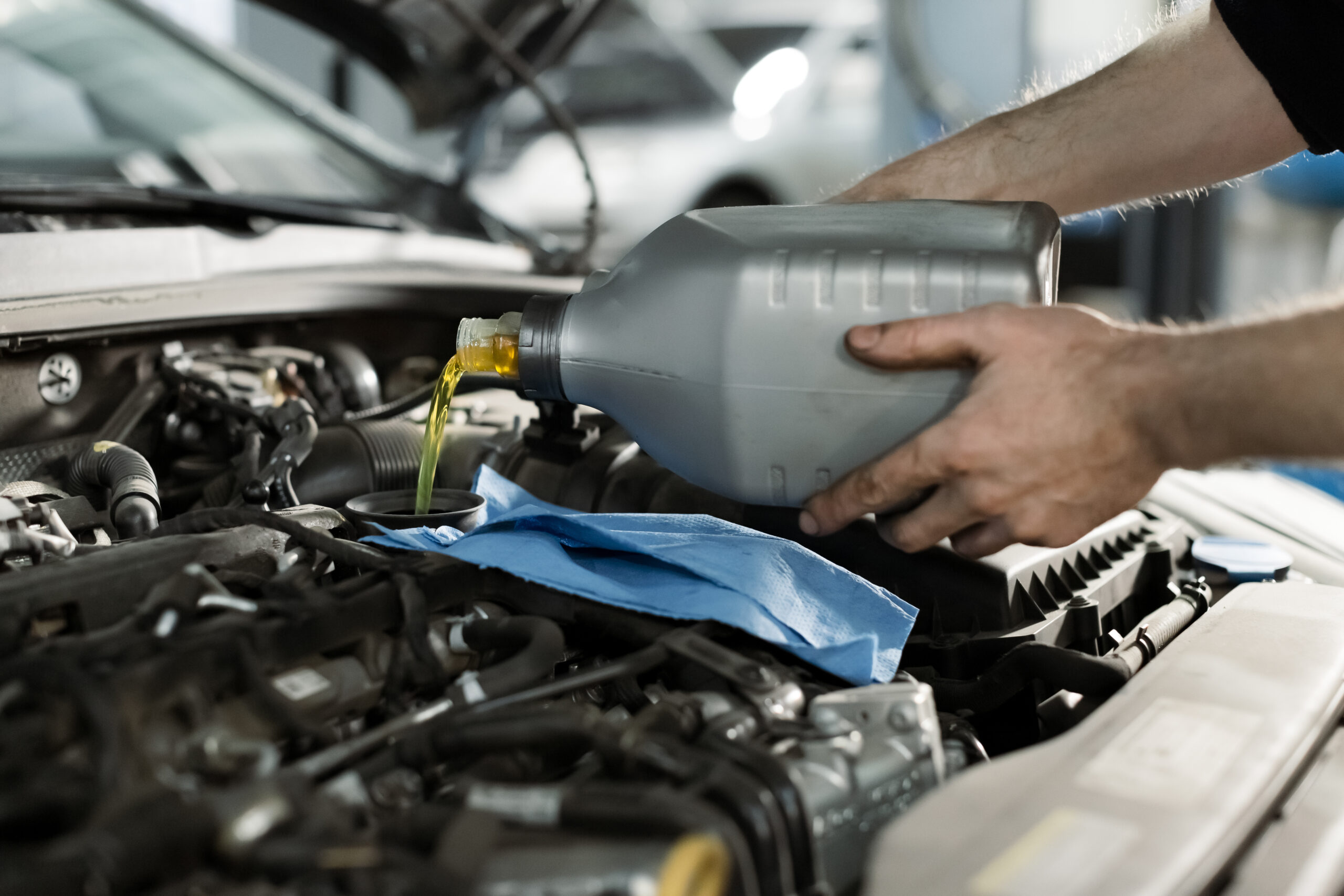
Signs Your Engine Oil Needs Changing Car Workshop Tips September 8, 2026 When owning a car, it comes with a...
Non-invasive hydrogen carbon cleaning for petrol, diesel and hybrid cars at our Serangoon Garden, Bukit Batok and Upper Thomson workshops. From $138 nett.
Engine carbon cleaning removes the carbon deposits that form inside an engine – on the valves, pistons and combustion chambers, and in the turbo, EGR and DPF systems. Our hydrogen carbon cleaning machine produces a hydrogen-oxygen gas from a specially formulated potassium hydroxide (KOH) solution, and feeds it into the engine through the air intake while the engine runs.
No engine parts need to be removed for the hydrogen treatment, so the process is non-invasive and suits petrol, diesel and hybrid cars.

 Hybrid CarGenerate more carbon emissions due to frequent start-stop operations.
 High Mileage Cars
 Idle CarsVehicles that idle for extended periods produce higher carbon emissions and consume more fuel inefficiently.
 Noticeable Performance IssuesCars showing signs of reduced fuel efficiency, rough idling, engine knocking, sluggish acceleration, or increased emissions likely have carbon buildup.
The frequency of carbon cleaning depends on how you want to maintain your vehicle and your driving conditions. You have a few options:
You can wait until the car starts to feel sluggish, noisy, or shows signs of performance loss, such as rough idling, reduced fuel efficiency, or increased emissions. If these symptoms occur, it's a clear indicator that a carbon clean is needed.
If you drive primarily in urban environments with frequent stop-start traffic or take short trips where the engine doesn’t reach optimal temperature, carbon buildup can occur faster. In these cases, carbon cleaning every 10,000 to 15,000 km may be beneficial to maintain smooth performance.
To prevent issues before they arise, you can incorporate carbon cleaning into your annual service routine. This proactive approach ensures the engine stays in peak condition, reduces the risk of breakdowns, and prolongs the life of key components, such as the EGR valve, DPF, and catalytic converter.


The carbon cleaning procedure typically requires a minimum of 30 minutes, but the total time can vary depending on the vehicle type and intake system design.
Connection and disconnection of the equipment can take as little as 2 minutes for vehicles with straightforward engine layouts. However, for more complex systems—such as those found in high-performance or premium models like the Audi C5 RS6, certain BMWs, and Mercedes models—the process can take significantly longer. These vehicles often feature intricate intake systems with multiple components that need careful access, adding to the overall setup time.
To ensure optimal results, technicians must carefully connect the equipment without compromising any components, especially in tightly-packed engine bays. Therefore, while the core cleaning itself is efficient, the total time for the procedure can vary from 30 minutes to over an hour for vehicles with more complex configurations.
No, hydrogen does not damage the engine. It is a non-corrosive gas and is harmless to all engine components. Hydrogen only reacts with and removes carbon deposits without affecting metal, rubber, or plastic parts. As long as the procedure is done correctly, it will not degrade or harm any internal engine components beyond exposing pre-existing issues.
Signs Your Engine Oil Needs Changing Car Workshop Tips September 8, 2026 When owning a car, it comes with a...
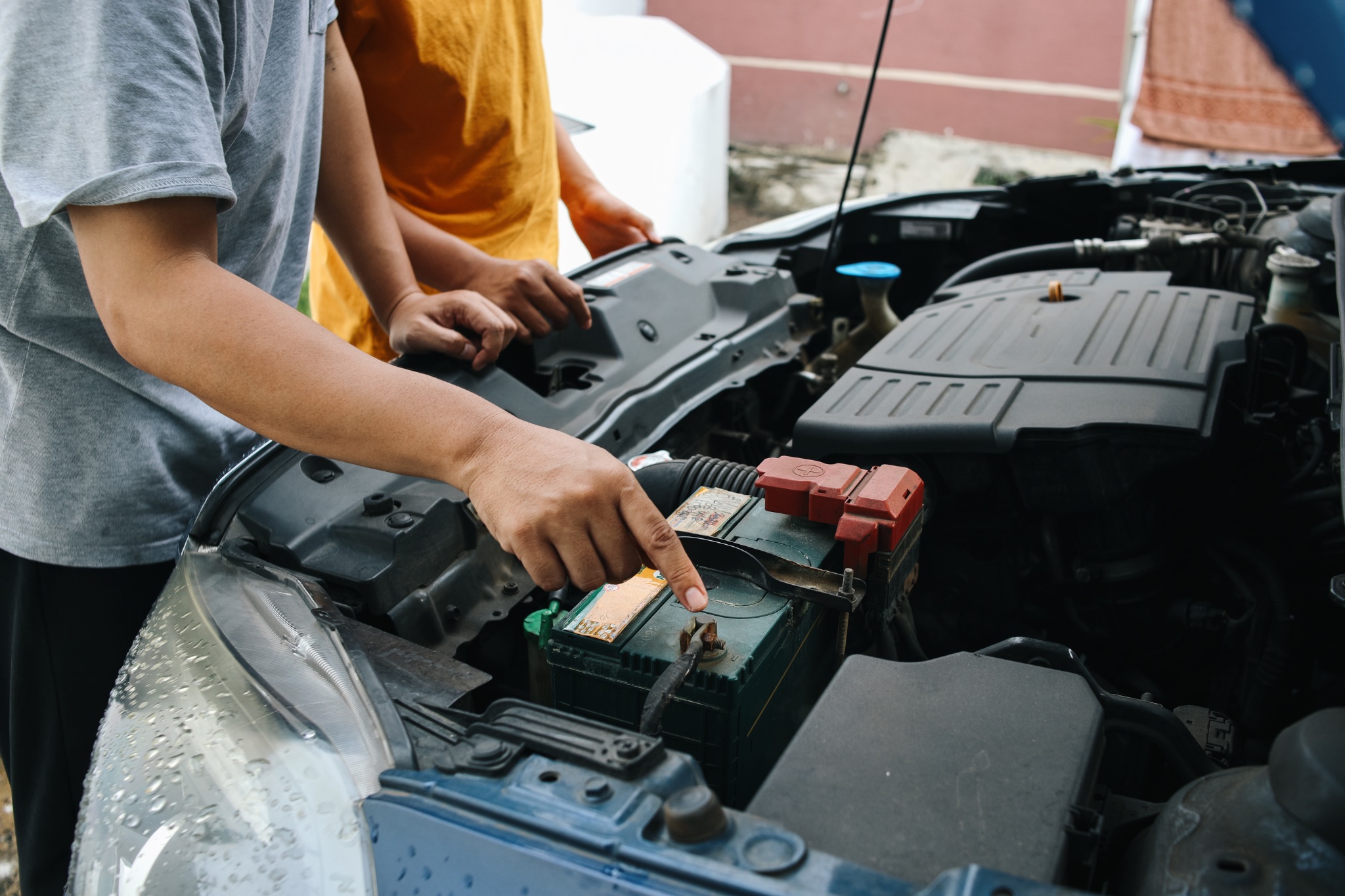
Basic Car Maintenance Every Singapore Driver Should Know Car Workshop Tips August 26, 2026 Full-service car maintenance should always be...
What Certifications Should a Good Car Workshop in Singapore Have? Car Workshop Tips August 13, 2026 Choosing a car workshop...
Please don’t hesitate to book a service with us today – we would love to help out. By appointment at Serangoon Garden, Bukit Batok and Upper Thomson, Mon–Sat 9am–6pm.
