Engine Carbon Cleaning

Western Cars vs Eastern Cars: How Do You Maintain Them? And Which One is Better?

East vs West - Two Different Driving Worlds

There are generally two major automotive philosophies, the Western (European and American) approach and the Eastern (Japanese, Korean, and increasingly Chinese).

While both regions build machines that would help us get around faster. The ideas, design and building philosophies for these region are different. Hence it would lead to different ways to maintain them.

This article will explain the key differences between Western and Eastern carsYou get to learn how each should be maintained, and ultimately, which one is the better choice for you.

Understanding the Difference Between Western and Eastern Cars

Western Cars

A western car

Car brands such as BMW, Mercedes-Benz, Audi, Ford, Volvo often build their car with the focus on driving experienceperformance, and luxury appeal.

This is because they design the car for enthusiasts who value precision, handling, and advanced technology. (and sometimes they just want that western brand car in their possession)

Eastern Cars

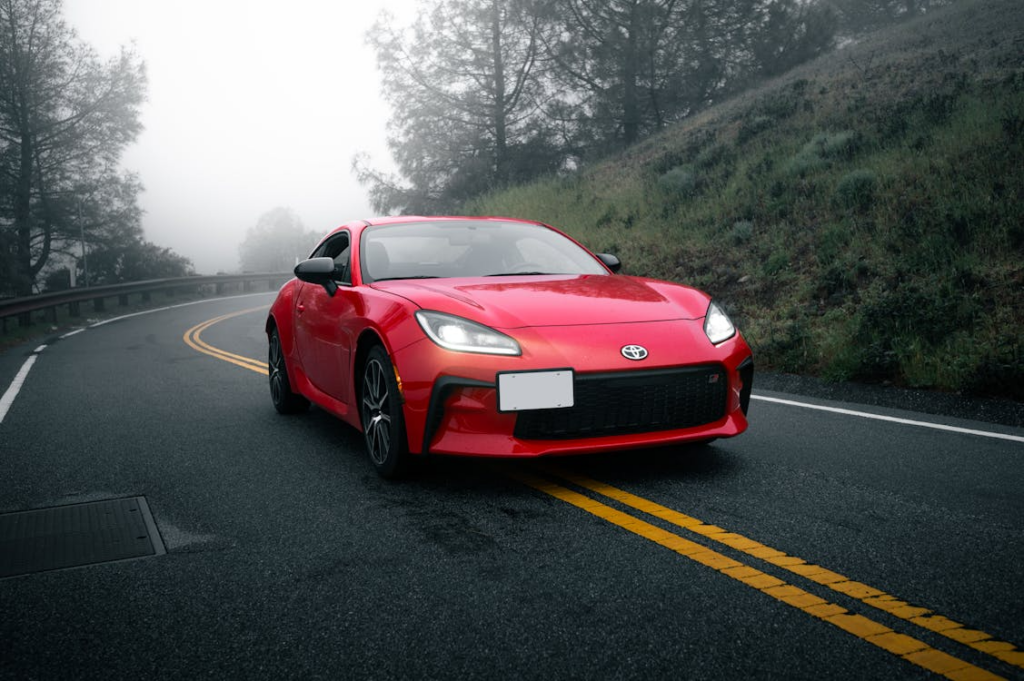
An eastern car

Car brands such as Toyota, Honda, Hyundai, & Kia build their car with the focus of reliabilityefficiency, and affordability. They’re built to be practical, consistent, and easier to own in the long run.

Technology & Features

Western cars tend to adopt cutting-edge technologies first such as adaptive suspensions, turbocharged engines, or sophisticated infotainment systems.

Eastern manufacturers, on the other hand, focus on proven technologies that are easier to maintain and more cost-efficient to repair.

Build and Materials

European models often feature high-performance components that need precision maintenance, while Eastern cars use simpler and more standardized parts — making them more forgiving when it comes to servicing.

Maintenance Differences: How Each Type Needs to Be Cared For

Every car requires care, but the type and frequency of maintenance can vary dramatically between Western and Eastern models.

Servicing Frequency

  • Western Cars: Require more frequent and specialized servicing. Precision engines and complex electronics mean that skipping maintenance can quickly lead to issues.
  • Eastern Cars: Are generally more tolerant of missed services, thanks to robust engine designs and user-friendly components.

Parts and Repairs

  • Western car parts are often imported and can cost more — especially for luxury brands. Repairs also require technicians with specialized diagnostic tools.
  • Eastern cars have more readily available parts, and most workshops can handle repairs at a lower cost.

Diagnostics and Electronics

European models are known for advanced software systems which can make diagnostics more complicated.

Eastern cars typically use simpler ECUs (engine control units), making troubleshooting easier and faster.

Common Issues

  • Western Cars: Transmission and oil system leaks, complex electrical faults.
  • Eastern Cars: Suspension wear, air-conditioning issues, minor engine component failures.

If you are looking for a place to service your eastern car, here at motoserv we offer continental car service that supports car brands such as BMW, Mercedes, Volkswagen, & Audi.

Cost Comparison: Repair and Ownership Over Time

To many owners, maintenance costs are the real test of value.

When evaluating long-term ownership, costs are a major deciding factor. Here’s how Western and Eastern cars generally compare:

  • Parts and Repairs: Western cars uses imported or brand-specific components. This makes the replacement parts more expensive. Eastern cars, on the other hand, use widely available parts that are easier and cheaper to source.
  • Fuel Efficiency: Eastern models offer better fuel economy, making them more cost-effective for daily commuting. Western cars may sacrifice efficiency for performance and luxury.
  • Maintenance Frequency: European and American vehicles usually need servicing every 6–8 months, while Japanese and Korean cars can often go 9–12 months between services without major issues.
  • Resale Value: Eastern cars tend to hold their value longer because of their reliability and lower ownership costs. Western cars depreciate faster, especially luxury models, but they can command a premium if well-maintained.
  • Insurance and Warranty: Insurance for Western cars is often higher due to repair costs, while Eastern cars are usually covered under longer warranties and more affordable insurance plans.

Which Type of Car Is Better for You?

So which is better: Western or Eastern? The answer depends on what you value most.

  • If you’re passionate about driving, want that high end western car image, and don’t mind higher upkeep, a Western car might suit you perfectly.
  • If you prefer reliability, lower long-term costs, and minimal workshop visits, an Eastern car might be the smarter choice.

Western Cars Are Better For:

  • Enthusiasts who enjoy premium interiors and road feel.
  • Those who don’t mind spending on regular upkeep.

Eastern Cars Are Better For:

  • Daily drivers who value economy, ease of repair, and dependability.
  • Budget-conscious owners looking for simple ownership experiences.

Ultimately, the best car is the one that fits your lifestyle and the one you’re willing to maintain properly.

Expert Maintenance Tips for Both Western and Eastern Cars

Regardless of origin, proper care extends the lifespan of any vehicle. Here’s how to keep your car in top shape:

For Western Cars:

  • Follow manufacturer service schedules precisely especially for oil and transmission fluid changes.
  • Use only OEM or certified parts; cheaper alternatives can cause issues with complex systems.
  • Ensure your mechanic has the right diagnostic tools (especially for brands like BMW, Audi, or Mercedes).

For Eastern Cars:

  • Regular oil changes and air filter replacements go a long way.
  • Pay attention to cooling systems, which can degrade in humid climates.
  • Keep an eye on suspension components and bushings they’re prone to wear in older Japanese and Korean models.

For Both:

  • Stick to original service intervals.
  • Check tire alignment, brake wear, and fluid levels monthly.
  • Store your car properly if unused for long periods.

Final Verdict: The Better Car Is the One You Care For

At the end of the day, both Western and Eastern cars are capable of lasting years if they’re well maintained.

Western cars reward their owners with unmatched performance and luxury, while Eastern cars shine with unbeatable reliability and efficiency.

The key difference isn’t just where your car was made, it’s how you maintain it. Regular servicing, genuine parts, and a reliable workshop can make any car feel brand new again.

If you’re looking for trusted, professional car maintenance, consider scheduling your next service with us at Motoserv! Our team specializes in multi-brand diagnostics and preventive care to keep your car running at its best.

  • All Posts
  • Car Workshop Tips
  • Uncategorized
Load More

End of Content.