Engine Carbon Cleaning

Identifying Car Black Smoke and What It Means

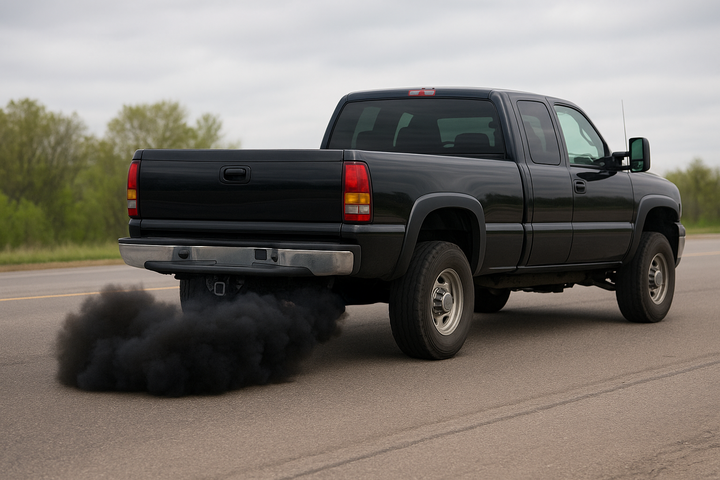
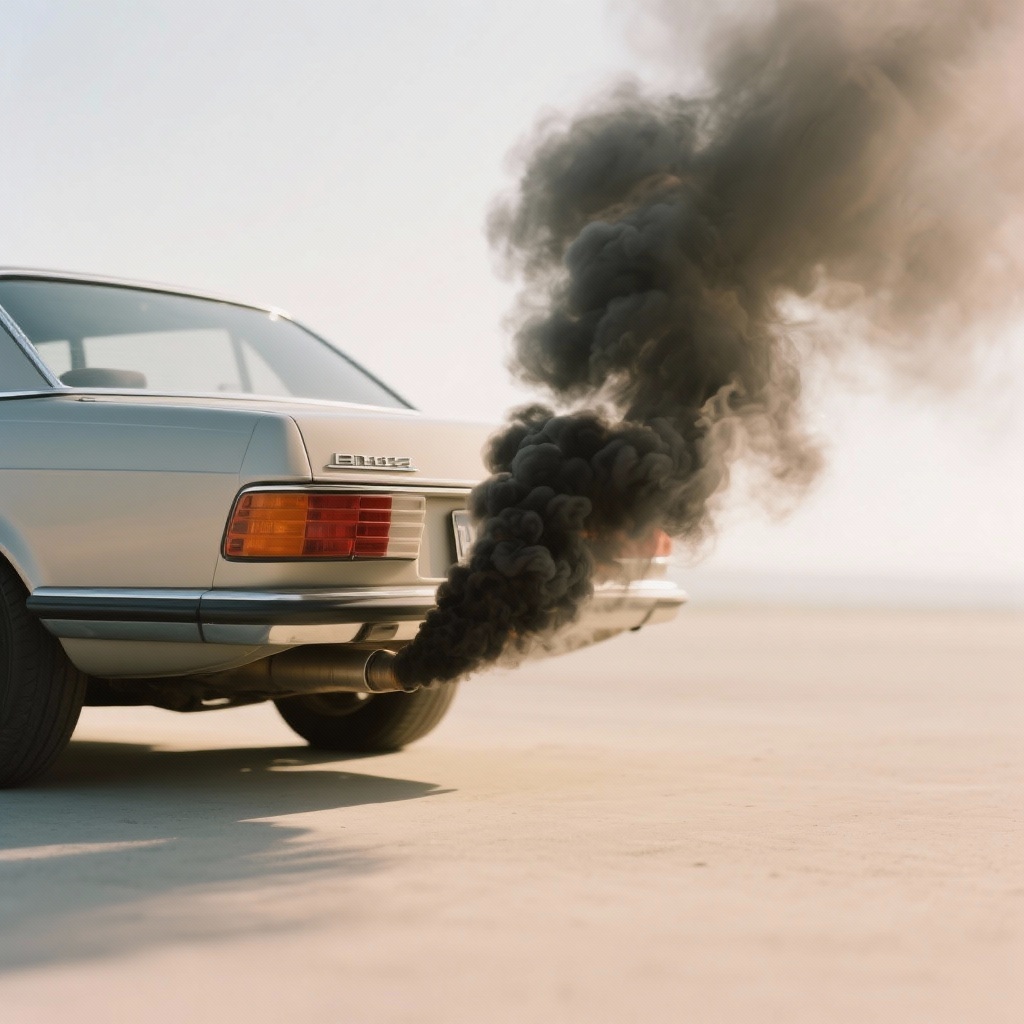
Is black smoke spewing from your exhaust? Car black smoke can never be a good sign—but the cause is actually more straightforward than you think. Let’s take a closer look at car black smoke, what it means and how you can solve it:

Why Is Car Black Smoke Spewing From My Exhaust?

Car black smoke occurs when your car burns too much fuel. This happens when fuel and air in your engine is not regulated properly, resulting in improper air-fuel ratio. Ultimately, this will cause your car to run lean or run rich.

Run lean is when there’s too much air and too little fuel, while run rich is when there’s too much fuel and too little air. Both may affect your engine in some way, but running rich is what causes black smoke to spew out.

Car Black Smoke and Diesel Cars

Diesel cars tend to be more prone to black smoke. They naturally produce more exhaust than gasoline cars, so a little smoke isn’t unusual. Nevertheless, excessive smoke is a telltale sign that your diesel engine is running rich too.

What Causes Your Car to Run Rich?

  • Faulty Oxygen Sensor

An oxygen sensor measures the amount of oxygen in the exhaust system. It then transmits this information to the engine control unit (ECU). When damaged, the oxygen sensor may transmit incorrect readings, resulting in more fuel combustion than needed.

  • Clogged Air Filters

Clean air filters prevent contaminants from entering the engine. Clogged filters on the other hand, makes it harder for oxygen to enter the engine. This may cause incomplete combustion, resulting in black smoke.

  • Damaged Fuel Injectors

Fuel injectors control the amount of fuel that gets injected into the combustion chamber. Faulty or leaking injectors may spray more fuel than needed, creating a rich mixture.

  • Worn Out Piston Rings

Piston rings are responsible for stopping oil from entering the combustion chamber. Worn out rings may allow more fuel to enter the engine, causing your car to run rich.

  • Failing Turbo Charger

A turbocharger forces air into an engine’s cylinder, allowing it to burn more fuel and produce more power. A damaged turbocharger may not produce the expected boosted pressure, causing more fuel to burn.

Potential Problems Associated With Car Black Smoke

  • Reduced Power: Your vehicle may experience reduced power, causing sluggish acceleration or rough idling.
  • Poor Fuel Economy: You may notice an increase in fuel consumption, forcing you to spend more on fuel.
  • Strong Fuel Smell: Your vehicle may emit a strong smell, especially near the exhaust.

What Happens When You Don’t Address Car Black Smoke On Time?

In worst case scenarios, black smoke can cause serious damage to your engine. Engine repairs can cost a lot, with prices varying from car to car of course. This comes down to car brand and engine size too, as they cost more to repair or replace.

It’s best to address any potential problems as soon as possible to avoid this from happening.

How to Get Rid of Car Black Smoke

  • Use Fuel Additive: Fuel additives are designed to clean the fuel system. They clean crucial components like injectors, promoting better combustion. With that said, additives are more of a temporary fix than a permanent one.
  • Clean/Replace Air Filters: Cleaning your air filters will allow oxygen to pass through smoothly. You should also consider replacing them, especially if they haven’t been replaced in years. This can be easily done on your own too.
  • Repair Faulty Components: Repairing components like fuel injectors and piston rings can usually solve the problem. This requires more technical expertise however, so it’s best to consult your car workshop.

How to Prevent Car Black Smoke

A car mechanic writing on his board

Car owners should first and foremost, prioritise regular maintenance. This includes sending your car for servicing once you’ve reached the time limit or mileage interval. You could also perform your own maintenance like changing air filters or checking the fuel system.

Besides that, remember to use the correct oil grade for your vehicle, as the wrong one can affect engine performance. Similarly, avoid remapping your car with cheap tuners. Unbalanced remaps can lead to over-fuelling, causing excessive black smoke.

For diesel cars, taking your car for a weekly long drive will allow the exhaust to get hot enough. This is called DPF regeneration, a process that burns off carbon and soot buildup.


Conclusion

Black smoke is an indication that your car is burning too much fuel. This is called running rich, an issue caused by improper air-fuel balance and damaged components. While black smoke may seem harmless at first, it’s always recommended to get the problem fixed as soon as possible.

Visit carbonclean.sg or contact us to find out more!

  • All Posts
  • Car Workshop Tips
  • Uncategorized
Load More

End of Content.