Engine Carbon Cleaning

Buying Second hand cars? Here’s What You Need to Know

Buying a car is a huge commitment for the average person. It’s the second biggest commitment, only losing to buying a house. 

So, careful and thorough planning should be considered when buying. Here at CarbonClean, we’re giving you a guide on what to look for when buying your first car.

Research and Budgeting

Before committing to any financial decisions, it’s best to do your research first. There are plenty of types of cars in the market for different needs and preferences. Ask yourself what it is you want from your car. 

Is it used as a daily driver? Are you constantly hauling stuff or people around? Once you’ve figured out your needs, you can narrow your search to a few models.

At this point, you should start going around in car community groups and ask for advice on models or look for reviews about this. Try searching for local reviews, as reviews from foreign countries may differ due to road condition and climate on how the car performs.

Budgeting should also be taken into consideration when purchasing a used car. There are several factors in determining the price of a car. Things like reliability, brand, and spare parts availability all come into play when buying. 

Another major factor that determines the price of a car is the Certificate of Entitlement (or COE). Without taking the model year into account, the price of a car could double depending on how near the COE is to expiry. So, if you want to save your money, prioritise the COE.

Inspection and History

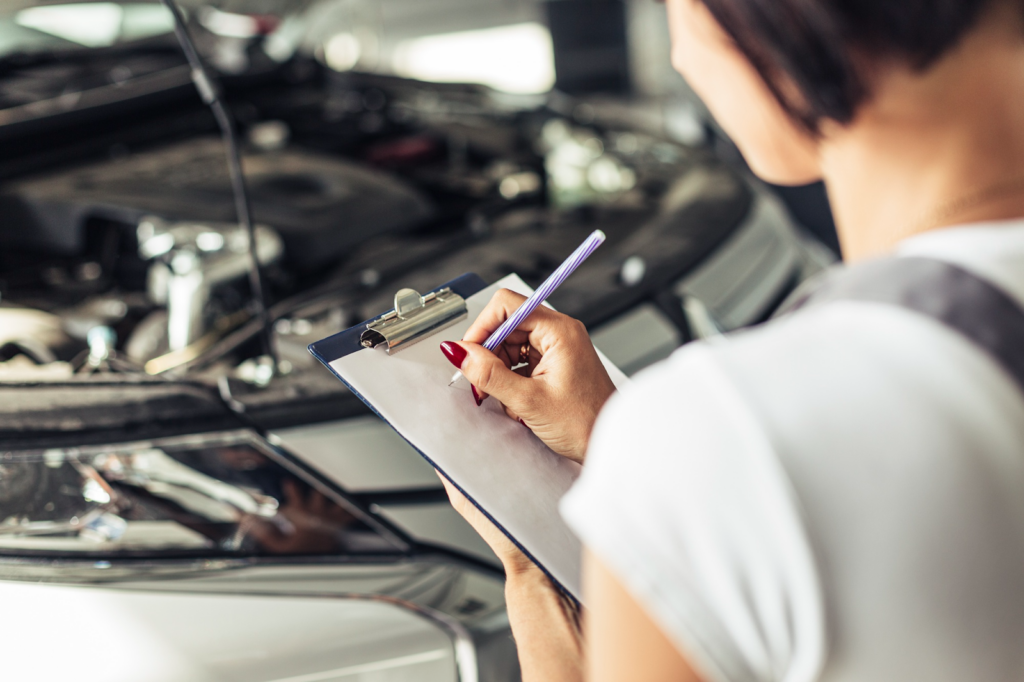
Probably the most critical step in this guide is inspecting the car. Once you’ve found a car you’re interested in and contacted the seller, ask if you can inspect the ins and outs of it. They’ll almost certainly agree to your request. 

Take your time to thoroughly check the car, or better yet, bring a trusted mechanic with you to help with the inspection. If the seller’s willing to take it to someplace for inspection, how about heading to one of our branches for inspection? There’s a solid Youtube guide on what to look out for, but to put it straight, here’s a list of what to inspect before purchasing:

Car Exterior

  1. Scratches (If present how deep?)
  2. Dents (If present how deep?)
  3. Windshield (Are there any chips or cracks?)
  4. Rusty rotor brakes? (Y/N)
  5. Headlights (Are they dim? foggy?)

Car Interior

  1. Seat Condition
  2. Are all electronics functional (Radio/infotainment, wipers, indicators, A/C
  3. Are the material surfaces worn? (Plastic/leather)
  4. Steering wheel (worn?)

Car Wheels

  1. Tyres (Are they bald or threaded?)
  2. Tyres (Are they the same brand)
  3. Rims (Are they all the same design)
  4. Rims (Are they damaged?)

Under the Car

  1. Any signs of leakage? (Check near engine and rear differential)
  2. Any visible rust?
  3. Suspension (Any rust, hard rubber?)
  4. Any signs of collision? (welding marks in unnatural areas)

In addition to inspecting the car, it’s also important to check the maintenance history. 

  • How often do they service their car?
  • Have they serviced their car on time? 
  • Are there other previous owners before them? And have they kept a record of its service history? 

If they’re vague about it or keeping their lips tight, it might be an indication that they’ve been mishandling the car.

Book A Test Drive

Once you’ve completed the inspection checklist, you’d definitely want to test drive the car. Test driving the car allows you to fully understand the car’s characteristics and how it performs. 

Additionally, here you can also identify any potential issue with the car. Pay close attention to any noise and vibrations emitted from the car.

Car Loan, Insurance, and Ownership

The final step on your journey to owning a car is the insurance and paperwork. But before that, you’re more likely to finance your car with a loan. 

Take some time to do some research about the types of loans, loan periods, monthly instalments and interest rate each bank offers to suit your financial situation without breaking the bank. 

When it comes to used cars, the interest rate is usually higher compared to new cars, especially if their COE has been renewed.

In Singapore, car insurance is mandatory in order to drive on public roads. The purpose of insurance is to provide coverage if you’re involved in a road accident. 

Feel free to explore your options as there’s plenty of offerings from the bank and insurance companies.

Once you’ve settled your loan and insurance, you’ll need to have the required documents to prepare and fill up some paperwork to legally transfer the ownership to you. When all of it is done, congrats! 

You’re finally a car owner! Enjoy the benefits a car can offer. However, this is just the start of your long term commitment of maintaining the car. 

You’ll need to do services in accordance with your car’s manual. Why not check us out for servicing? We offer premium services at a reasonable price.

  • All Posts
  • Car Workshop Tips
  • Uncategorized
Load More

End of Content.